
Take Action Today Against BLM’s New Policies on Wild Horse Roundups
June 27, 2026
Ep #70: Wild Horses: What’s Real and What’s True
July 20, 2026Comments Needed for BLM’s Wild Horse Removal Plans for the Red Desert Complex in Wyoming
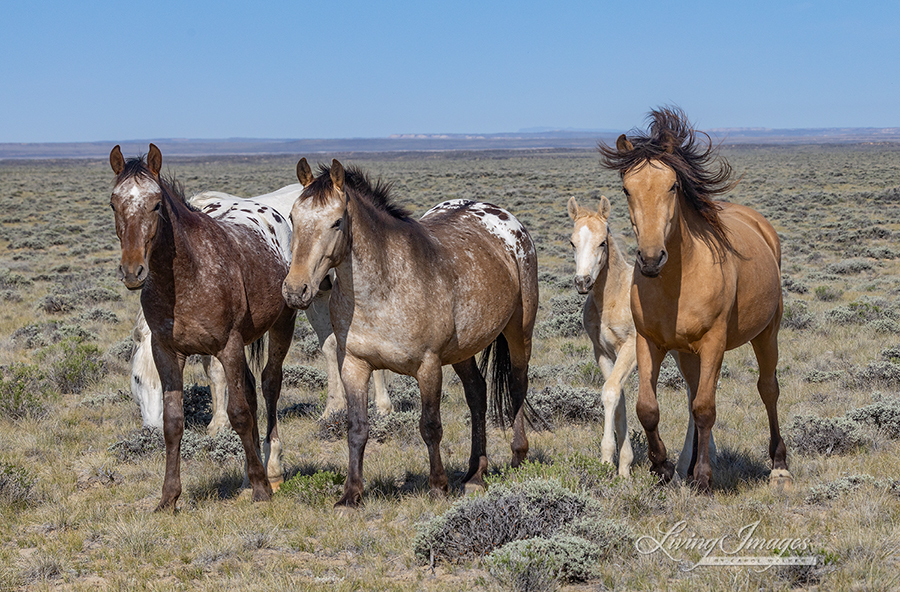
When the BLM announced the Scoping Document for the Red Desert Complex over a month ago, it was presented as providing new plans for managing the five Herd Management Areas: Stewart Creek, Green Mountain, Crooks Mountain, Lost Creek and Antelope Hills as well as the Herd Area of Arapahoe Creek in the Red Desert Complex in Wyoming. This was important since no new planning had been done since the 1990s. However, in the Environmental Assessment there is very little planning and it becomes clear that the true motive for these documents is a roundup before any planning is done to remove 1800 or more wild horses from the Complex.
BLM needs to do the actual planning and analysis BEFORE scheduling the roundup and removal of these horses.
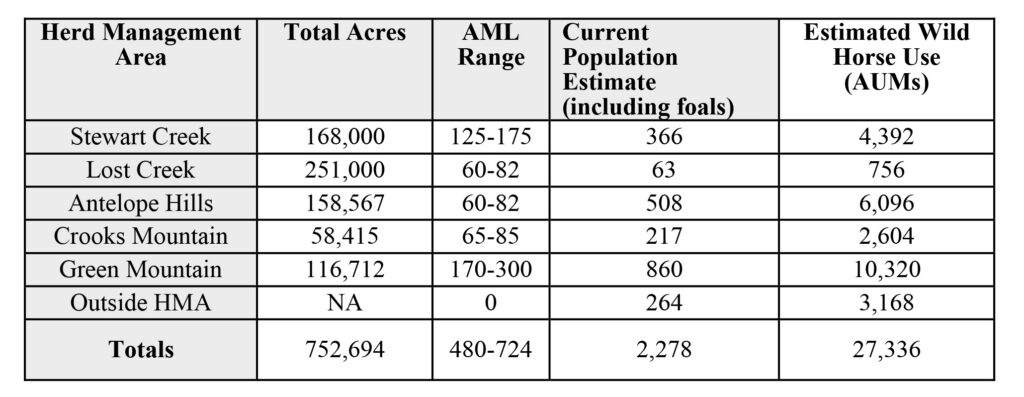
Some of the vital things for the BLM to actually study and document is the impact of wild horses on the land, the impact of livestock grazing on the land, even though the BLM says that it is “difficult to quantify.” Yes indeed it is if you do not actually measure it. Does that mean you should not bother? I would say no.
Regarding the drought and wild horse usage there needs to be an actual measurement of the amount of water each animal on the range consumes – for example horses drink 7 gallons a day compared to a cow-calf pair consuming 40 gallons per day.
The impacts of all the multiple uses need to be considered – wild horses, other wildlife, livestock, mining, recreation. Simply saying something is outside the scope of this document does not make it true. AMLs, changing status of an HA to an HMA, measuring usage of forage and water, all those things should be considered in this plan.
I have been visiting the Red Desert Complex since 2016 and observing and documenting the horses at least 5 trips per year each year. The wild horses are currently in excellent condition, yes the snowpack is the lowest on record for 2026, but there is currently sufficient water and forage. With climate change, drought conditions need to be planned for and considered.
Ideally, every person that comments on this management and removal plan will read the entire 249 page document, and you should if you have the time.
Here is where to read it: Red Desert Compex EA – Go to Documents.
I’m going to give you what in my opinion are some of the most important points to focus on – but please use your own words. These are merely a suggestion of what to consider.
- This is not a Herd Management Area Plan, it is a roundup and removal plan. Before any wild horses are removed, the actual HMAP plan needs to be developed, stuidied and implemented. No roundup should be scheduled at this time.
- No Action Alternative should be selected for the roundup.
- Appropriate Management Levels for each Herd Management Area need to be raised to at least 100-150 horses.
- Arapahoe Creek, which is in the middle of the Complex and allows wild horses to move between each HMA, allowing for genetic viability and provides water and forage for all the animals, should be restored to HMA status.
- Water use and forage use should be studied for all of the animals living in the complex. Wild horses should not be scapegoated for drought conditions or for any and all range degradation – there must be separate measurements and proof.
- If the BLM proceeds with a roundup, no GonaCon or spaying of mares or gelding of stallions should be employed. These are all permanant sterilization meaures that cannot simply be “adjusted” at a later time. If birth control is to be employed, PZP should be the only method.
- Sex ratio skewing of 60-40 stallions to mares should not be employed. It disrupts wild horse families, resulting in excessive fighting and instability.
- The disposition of the wild horses after removal needs to be considered. With over 60,000 wild horses in holding facilities and documented cases of horses going to slaughter after being sold, keeping them on the range where they currently live is the safest place for them to live, and the most cost effective solution.
Please submit your comments by July 13. You can submit more than one comment and you can comment even if you did not comment during the Scoping period. Your comments matter, and the horses depend upon us to speak up for them.
You can submit your comments online here: Comments Submission Link
Click on the green Participate Now button.
*Please submit your comments there, not on this blog post so the BLM can see them. *
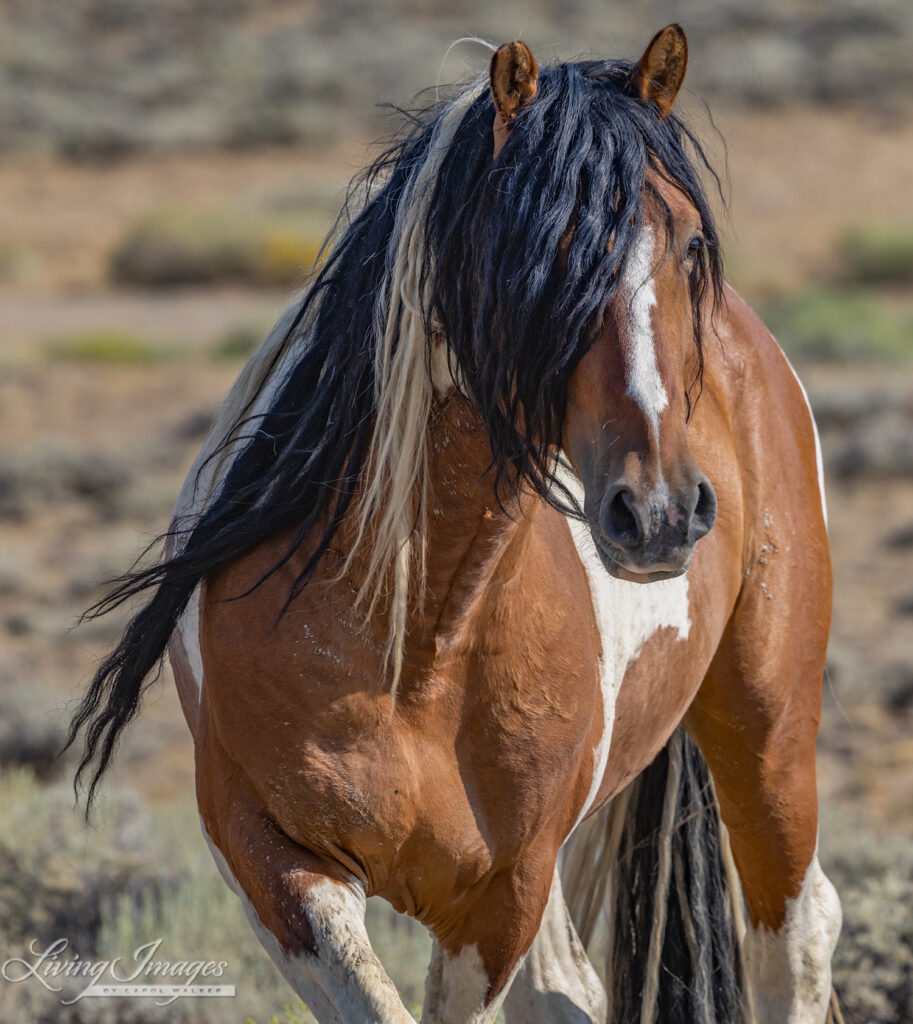
If you would like more information from someone who has spent 15 years visiting the Complex and has done extensive background research, go to Angelique Rea’s blog:
Angelique Rea’s Blog on Red Desert Complex EA
Angelique Rea’s Blog on Arapahoe Creek: https://wyldroseimages.zenfoliosite.com/wild-horse-blog/bp/36a3720f-b7d0-4205-b686-f62e53f96952?
32 Comments
Please don’t round up and eliminate any more horse herds. Use pregnancy methods to reduce pregnancy. There r already too many in holding. Please take measures to stop these useless roundups.
Please submit your comments here: https://eplanning.blm.gov/Documents/?id=6c9a6ab7-c027-f111-8341-001dd804183b&spid=eafa6a8a-702f-f111-8341-001dd8029ed0#
Your comment is awaiting moderation.
July 8, 2026 at 7:13 pm
Please don’t round up and eliminate any more horse herds. Use pregnancy methods to reduce pregnancy. There r already too many in holding. Please take measures to stop these useless roundups.
Please submit your comments here: https://eplanning.blm.gov/Documents/?id=6c9a6ab7-c027-f111-8341-001dd804183b&spid=eafa6a8a-702f-f111-8341-001dd8029ed0#
Horses built this country and deserve unconditional respect with a promise to care for them while allowing them to run free. They, and their ancestors, paid their dues, for this generation and the next.
Study how the Chincoteague pony became a way to support the local fire department. It takes a plan to do what is right for them, not just for a group to pay for a shooter or helicopters.
Please submit your comments here: https://eplanning.blm.gov/Documents/?id=6c9a6ab7-c027-f111-8341-001dd804183b&spid=eafa6a8a-702f-f111-8341-001dd8029ed0#
I would love to see a plan that doesn’t just involve getting rid of the horses. They are so valuable and the spirit of the west. Surely there is some other plan then to just move them off the land
Ugh this ongoing removal of our beautiful wild horses on public lands to stand in crowded corrals is absolutely heart breaking and appalling! Please dart with birth control to control the numbers (or?) and let our wild horses alone. The arrogance of people removing them in the dead heat and during foaling season is absolutely wrong. Please we beg you to control by birth control!
Please submit your comments here: https://eplanning.blm.gov/Documents/?id=6c9a6ab7-c027-f111-8341-001dd804183b&spid=eafa6a8a-702f-f111-8341-001dd8029ed0#
Ugh this ongoing removal of our beautiful wild horses on public lands to stand in crowded corrals is absolutely heart breaking and appalling! Please dart with birth control to control the numbers (or?) and let our wild horses alone. The arrogance of people removing them in the dead heat and during foaling season is absolutely wrong. Please we beg you to control by birth control!
Please there are more humane ways to this not with helicopters not with kill pens. They belong on the land running free their entire lives. Please consider the humane way not the cruel way!
Please submit your comments here: https://eplanning.blm.gov/Documents/?id=6c9a6ab7-c027-f111-8341-001dd804183b&spid=eafa6a8a-702f-f111-8341-001dd8029ed0#
Stop this inhumane plan. BLM is turning into a slaughterhouse! This is also not isolated. I’m seeing similar plans in other parts of the country. Stop now and find humane alternatives!!
Please submit your comments here: https://eplanning.blm.gov/Documents/?id=6c9a6ab7-c027-f111-8341-001dd804183b&spid=eafa6a8a-702f-f111-8341-001dd8029ed0#
This is not a Herd Management Area Plan, it is a roundup and removal plan. Before any wild horses are removed, the actual HMAP plan needs to be developed, stuidied and implemented.
No roundup should be scheduled at this time.
No Action Alternative should be selected for the roundup.
Appropriate Management Levels for each Herd Management Area need to be raised to at least 100-150 horses.
Arapahoe Creek, which is in the middle of the Complex and allows wild horses to move between each HMA, allowing for genetic viability and provides water and forage for all the animals, should be restored to HMA status.
Water use and forage use should be studied for all of the animals living in the complex. Wild horses should not be scapegoated for drought conditions or for any and all range degradation – there must be separate measurements and proof.
If the BLM proceeds with a roundup, no GonaCon or spaying of mares or gelding of stallions should be employed. These are all permanant sterilization meaures that cannot simply be “adjusted” at a later time. If birth control is to be employed, PZP should be the only method.
Sex ratio skewing of 60-40 stallions to mares should not be employed. It disrupts wild horse families, resulting in excessive fighting and instability.
The disposition of the wild horses after removal needs to be considered. With over 60,000 wild horses in holding facilities and documented cases of horses going to slaughter after being sold, keeping them on the range where they currently live is the safest place for them to live, and the most cost effective solution.
Please submit your comments here: https://eplanning.blm.gov/Documents/?id=6c9a6ab7-c027-f111-8341-001dd804183b&spid=eafa6a8a-702f-f111-8341-001dd8029ed0#
Please stop the roundups.keep them on the range. Do studies and follow the science. Use PZP to control numbers. Geld stallions with less than ideal conformation and return to their HMA in bachelor bands, similar to what TNR groups do with feral cats. Stop the Sale Authority program that’s leading to large numbers of mustangs going to slaughter. Restart and expand the prison gentling programs to enhance adoptability.
You have more horses in holding than in the wild! You’re becoming America’s biggest horse hoarders! No more gathers until you figure out alternatives that do not involve horse deaths.
Ranchers should have to fence their stock in and feed hay, like they do in most of the country. The open range era should end. No more removing horses so cattle can have their forage.
Please submit your comments here: https://eplanning.blm.gov/Documents/?id=6c9a6ab7-c027-f111-8341-001dd804183b&spid=eafa6a8a-702f-f111-8341-001dd8029ed0#
Please these horses alone. Use birth control for them.
Please submit your comments here: https://eplanning.blm.gov/Documents/?id=6c9a6ab7-c027-f111-8341-001dd804183b&spid=eafa6a8a-702f-f111-8341-001dd8029ed0#
I dont see any justification in rounding up our wild horses. They should be left wild and free. There are amazing genetics behind them , they dont hurt anyone and so many people all over the world enjoy them . I would hope that future generations will enjoy them and they will be able to . There’s so much cruelty in the world enough damage has already done to these iconic animals . Please 🙏 do not put any more in jeopardy of losing there freedom,life and family bands .
Please submit your comments here: https://eplanning.blm.gov/Documents/?id=6c9a6ab7-c027-f111-8341-001dd804183b&spid=eafa6a8a-702f-f111-8341-001dd8029ed0#
BLM is eliminating wild horses in spite of their being keystone species vital for healthy ecosystems. This goes against their responsibility to manage our public lands for the benefit of we the people and caters to agribusiness who envisions nothing but cattle and cheat grass. This is a betrayal of public trust and must stop. Those in charg3 are accountable to the people.
These Wild Horses should not be rounded up they have a right to. E here, they have roamed here for many many years. The BLM is not even addressing all of the thousands of horses that have already been rounded up and are in holding pens across this country. There must be a plan!
Until so many issues are addressed, the no action alternative must be be selected at this time.
Please submit your comments here: https://eplanning.blm.gov/Documents/?id=6c9a6ab7-c027-f111-8341-001dd804183b&spid=eafa6a8a-702f-f111-8341-001dd8029ed0#
What’s really behind the BLM and the round ups ? It’s certainly not bc the horses r invasive as they have stated , these iconic animals have survived all the elements thrown at them only to face their most dangerous adversary , the greedy human race 😞
For many of us this this is always very sad and stressful…the horse only have US to care & protect them…please they do NO HARM to anyone, why can’t they exist in peace? Must EVERYTHING be about money? On and on and on?
Please submit your comments here: https://eplanning.blm.gov/Documents/?id=6c9a6ab7-c027-f111-8341-001dd804183b&spid=eafa6a8a-702f-f111-8341-001dd8029ed0#
Everything in America is for profit. There’s no consideration. There’s no compassion for anything that lives that can be taken away for a dollar… God said to protect the creatures of the land and they will give back. I think that the Horse has given back more than enough for centuries… Let’s let them live in peace and not take away their freedoms.
Please submit your comments here: https://eplanning.blm.gov/Documents/?id=6c9a6ab7-c027-f111-8341-001dd804183b&spid=eafa6a8a-702f-f111-8341-001dd8029ed0#
Please do not remove any more horses, we need to keep our horses on their land. I enjoy seeing them being able to run free, and not confined behind bars. Please think about possible birth control instead of taking all the horses from the only home they have known.
Please submit your comments here: https://eplanning.blm.gov/Documents/?id=6c9a6ab7-c027-f111-8341-001dd804183b&spid=eafa6a8a-702f-f111-8341-001dd8029ed0#