
Rewilding America Now and Wild Horse Advocacy Groups Call for Audit of BLM Sale Program
June 5, 2026Take Action Today Against BLM’s New Policies on Wild Horse Roundups
June 27, 2026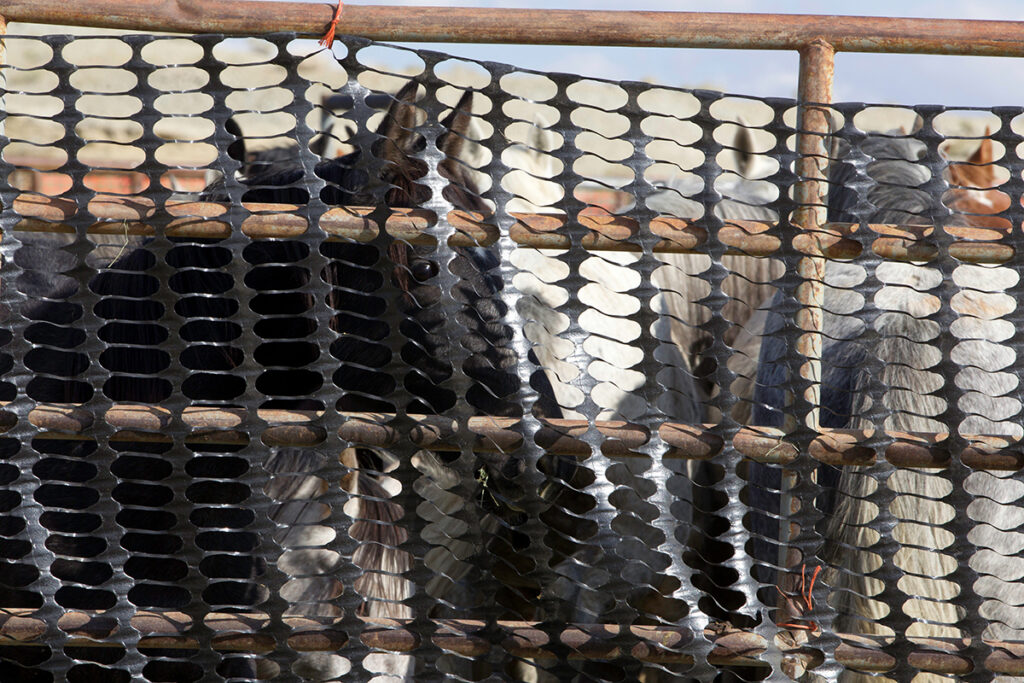
Why does the BLM’s Wild Horse sale authority program need an audit? In this episode, I speak with Manda Kalimian, founder of Rewilding America Now, about the urgent need to bring transparency and accountability to the way wild horses are sold from holding facilities. Together, we explore how the current system is failing the horses and what actions you can take to help ensure their welfare.
Manda shares her firsthand experience rescuing horses from auctions and feedlots, the challenges of working within the current system, and how the volume of horses being funneled from holding into private sales is creating serious risks. We discuss why a government accountability audit is a crucial first step and how it can put pressure on the BLM to follow proper procedures before more horses are removed from public lands.
You’ll also learn how advocacy, education, and partnerships with organizations like Rewilding America Now can make a difference. Manda explains how signing the petition to audit the BLM’s sale program gives the public a voice, and why even small actions such as sharing information, supporting campaigns, and contacting members of Congress can help protect wild horses from mismanagement and slaughter.
Subscribe to my blog to get more information on how you can help America’s wild horses.
What You’ll Learn from this Episode:
- Why an audit of the BLM’s sale authority program is needed.
- How horses are being removed from holding facilities and sold without proper oversight.
- The challenges advocates face when rescuing horses from auctions and feedlots.
- How a government accountability audit could improve transparency and protections.
- Ways listeners can take action, including how to sign the petition.
- The role of partnerships and public education in protecting wild horses.
- How coordinated advocacy can influence policy and help ensure the welfare of wild horses.
Listen to the Full Episode:
Featured on the Show:
- Subscribe to my blog to get more information on how you can help America’s wild horses.
- Follow along on Facebook and Instagram!
- Living Images by Carol Walker
- Follow my blog to get updates: Wild Hoofbeats Blog
- Learn more about my book, Wild Hoofbeats: America’s Vanishing Wild Horses by Carol Walker
- Rewilding America Now
- Sign the petition
- Letter to Congress
Episodes Related to Petition to Audit BLM’s Wild Horse Sale Program:
- Ep #59: Revisiting Wild Horse Holding Facilities
- Ep #64: Why BLM’s Expansion of Sales Threatens Wild Horses with Debbie Coffey
- Ep #68: Closing in on Wild Horses
Welcome to the Freedom For Wild Horses podcast, the place to find out about wild horses in the American West and what you can do to help them stay wild and free. If you love wildlife, wild horses, and the freedom that they stand for, this show is for you. I’m your host, Carol Walker. Let’s get started.
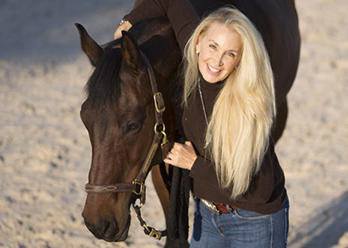
Hi, I’m Carol Walker, and I am delighted to introduce as my guest, Manda Kalimian, and she is the founder of Rewilding America now. And she has a tremendous love of all animals, but especially wild horses. And so today, we’re going to talk about this request for an audit of the BLM’s sale program and why that’s so important. And also, we’re going to tell you how you can help. So welcome.
Manda: Carol, thank you. I’m so excited to be here with my friend. It’s been a long time.
Carol: Yes. Yes, so you contacted me just a few days ago and said, “We need to do an audit of the BLM sale program.” So why now?
Manda: Carol, I think it always needed to happen. I don’t think you would disagree with that. I mean, we’re long overdue. Let’s start with that. So shame on all of us for not taking the reins in this sooner, myself accountable. But this administration and the way that the Department of Interior is managing the BLM and the horses and the range is just expedited this process, right? The roundups are expedited, volumes of horses coming off the range, no place to put them, no holding short-term, long-term, they’re out of space. And so they’re missing steps.
They’re bypassing protocols and procedures at a greater rate and horses are just, truckloads are just, some even go from the roundups directly to these auction houses. There are no guardrails as to how many horses people can take. So it’s really so much more. I myself, over the last year and a half, I think we’ve worked to rescue 300. Some were Indian ponies, but most of them were horses that we’ve been taking from these kill buyers, and it’s terrible. It’s terrible what’s happened, and I decided somebody has to speak up. We got to do it now.
Carol: It’s become completely inadequate to say, “Okay, we’re going to rescue these horses.” There aren’t enough places to put all these horses. So, really, what needs to be done is something changed at the higher level before these horses get taken to auction.
Manda: Yes. And when you’re standing here and all of these emails and text messages are coming with pictures of horses in these kill pen auction houses, and they all have in red, two days to slaughter, deadline, you know, they promote it this way, deadline with big X’s, two more days, deadline. These people are feeding on the goodness of people like ourselves that actually care. They’re taking advantage of us.
I can’t tell you how many times, okay, how much? $900. $900? That poor horse is limping on three legs. It needs, you know, medical attention. It needs to be helped. I said, “Can you give me a break? I’m going to take three more.” $900 or it gets on the truck. So what do you do? What do you do? You work to find the money to save the horse because it doesn’t matter. It’s a living being, it’s a horse.
And that’s what we’ve been doing with the help of Jenny Sloan. She and her husband, they’re angels. I cannot tell you. I couldn’t do what they do. But without her help, none of this would have been possible. It’s a terrible position we’re in. These people have created a new business. It’s a whole cottage industry that’s happening here between the kill buyers, the shippers, people out there fundraising. I mean, it’s its own economy right here, thanks to the government.
Carol: And it is definitely not a benefit to the horses.
Manda: Benefit? We are busy healing horses from the trauma. It’s not just now the trauma of the roundups. It’s the trauma of being carted from one place to another, dumped off here, then dumped off there. They’re with groups. They come in groups. So I keep the groups together because that’s the only security that these horses have had is these three or four other horses that they’ve been in these kill pens with. It’s terrible. However you look at it, genocide is genocide, right? No matter which direction or face it takes, this is a genocide of a species.
Carol: The new changes to the sale program that happened this last year, where pretty much people can take as many horses as they want. It’s just funneling them faster away from holding, so they can have more room to round up more horses. Of course, there’s no care given to people that purchase them. You know, you might have to sign a little form saying you won’t take them to slaughter, but what does that mean, actually? There is no follow-up, there’s no oversight. And with the BLM staff being cut by 70%, they barely have enough staff to get rid of the horses, let alone care about where they’re going.
Manda: My personal opinion is, my intuition tells me that this is just the way that this administration is unwinding these regulations and making it easier for them to just get rid of horses because, like you and I have talked about, when you’ve said to me, “Well, they just want to kill everybody in holding, take a gun to their head, and be done,” there would be huge public outcry. Optically, that would be very bad. I don’t really know if this administration is so concerned about that, but optically, it wouldn’t be a good thing.
So, having said that, you know, this is sort of like a leaky faucet that they just keep opening up to just kind of keep the flow, make the flow a little bit more and a little bit more and a little bit more, and that would be a no. It’s enough. And I do realize it’s a very difficult time to try to make changes in Washington and try to get things done, but a government accountability office audit is a simple procedural thing. And it enables us to bring attention to this issue so that hopefully after the midterms, we will be in a position that this coalition that you and I and others are part of, we will be able to forge forward to now create the legislative changes needed.
Carol: And we do have a Wild Horse Caucus in Congress now. And that’s who you’ve addressed your letter to, and that’s a terrific thing. I mean, we need to build on that, obviously.
Manda: Yes, 100%. So, you know, the way I see this is, okay, we’ve got to get their attention before August when Washington goes on break, and we’ve got to start the conversations now so that when they come back in the fall, we can work towards a real collaboration with the caucus and others in Washington to help them. We need to help them. We need to give them solutions for things. We need to give them the information that they don’t have.
We cannot think that, “Okay, you’re the Wild Horse Caucus, we’re bringing this to your attention. Now do something.” I don’t see that. I see that we have to be partners with the Wild Horse Caucus. I’m not a constituent of any of those people.
Carol: Those things to do and make sure and follow up and make sure that it gets done.
Manda: Correct. We need to build an alliance with these people. Let them know that we are not fighting against them. We understand things are complicated and difficult in Washington, and we want to help. We need your help, and we are going to help you. We’re going to provide you with information, provide you with everything that you need so that you can feel confident to go forward with this initiative.
Carol: Giving them evidence of the horses ending up in these slaughter auctions and showing there were 66,000 wild horses in holding at the beginning of the year and it dropped significantly. And that’s because these horses are being funneled out of the system. There are online adoptions every month with almost 1,000 horses in each one. And so horses are getting shipped and sold, and it’s like gangbusters. It’s like nothing I’ve ever seen before.
Manda: As I said, yeah, of course, this administration, they need to start getting rid of these horses. They cost taxpayer dollars and I mean, the administration right now is taking all the money from the parks, all the national parks here. Any of their money that come in from tickets when you go to the park and everything, I think it’s something like $65 million a year. That’s the money that is being taken to use to paint the reflecting pool in Washington. So imagine, there’s no money for health care, and we’re painting the reflecting pool with the park’s money. What money are they paying for the horses?
Carol: From what I understand, there’s been kind of a halt on roundups in Wyoming. They don’t even have the funds to do more roundups, and we know that’s a priority to do roundups, and they need to empty these holding facilities so they have room for the horses to do more and more roundups.
Manda: That’s unfortunate because I am sure they will find the money if they want. You know Wyoming better than anybody. I’m sure, you know, the people in Wyoming are…
Carol: Putting a little pressure on the BLM right now.
Manda: Yes, I would think so. I would think so. It’s just all upside down, and we have to do what we can do. But the important thing from my perspective is to do something. It’s not to not do anything, not to be like, “Oh my God, it’s overwhelming,” because it is overwhelming at times. I see things like this last week in the news, they’re bringing back cyanide bombs.
Carol: Yes, which kills all the wildlife. It’s not just the predators that they want to get rid of.
Manda: Everything. Everything. I mean, think about horses, I mean, everything.
Carol: It’s not horses. Think about people walking with their dog.
Manda: Did you know that is one of the things that had triggered them to ban them initially several years ago? Because there was a man walking with his dog. So sometimes you know, you sit and you see all these things lately, and it is overwhelming. You’re kind of overwhelmed with what to do. How do I do it?
And then I get a text and a call with a picture of three horses, three beautiful horses that deadline, 24 hours, or I hear about a group of women that are feverishly out there trying to raise money. And I mean, it’s a lot of money at $800 or $900 a horse for 10 horses.
Carol: Plus transport.
Manda: Yes, yes, imagine that, that they’re raising money for these 10 horses, would I take them? What do you say to that? You know?
Carol: All the horses that end up at slaughter auctions.
Manda: There’s not room for all of them. I’m squeezed to the end. I constantly look for other locations and places, and working with other people that will take a small band of horses. And this actually has helped us bring awareness to other people about what’s happening with the horses and why horses can be environmentally valuable. So we see value that way. And also people are seeing value from an eco-friendly tourism kind of thing. People want to see horses. People come to locations to see horses. Has that been your experience?
Carol: Oh, absolutely. And it’s become more and more popular. I mean, last year alone, I was fielding a whole bunch of emails from people wanting to go visit the Salt Wells Creek horses, and could I tell them where to go?
Manda: And this is something that you and I have talked about. We have to build out this model where you and whoever else you feel you can offer camera safaris and other opportunities that, first of all, value the horses. And then also offer some economic return in exchange to the landowner.
Carol: So the horses are seen as valuable instead of pests, taking grass out of the mouths of cows and sheep.
Manda: Exactly. I mean, this is all an old story that’s never been changed. And we need to be the leaders here in changing a new POV. We need a new point of view, a new perspective to this. I think fighting the old fight over the old arguments don’t get us anywhere. We’re 55 years into this, no?
Carol: I’m 26 years into it.
Manda: Right? The Wild Horse and Burro Act is 55 years old. So, I mean, it’s time for change. It’s time for a new perspective on things. And we need to just put our heads down, think about those horses. That’s the only thing that matters. That’s why we do this. And we need to work together for the solutions that can make a change for the lives of the horses that we can help and save so that we can ensure there will always be horses here in the United States, wild horses in the American West.
Carol: Absolutely. The audit is a way of uncovering the corruption and what’s happening to these horses so that it can be changed.
Manda: So would you say from your experience that this is the proper first step to get things moving for change?
Carol: Absolutely. Absolutely. And it’s funny because some people say, “Oh, all the advocates need to get together.” They all have to do things the same way. No, everybody has a contribution. Everybody has their perspective, their experience, and it’s all valuable.
Manda: I’m so glad you said that because I was thinking one of the things that I wanted to, I did want to mention with you was that’s exactly right. Everybody can do something, whether it’s just reposting something that you see that you want to share, or more. For me, sharing the proper information, fact-based information. I’ve always shied away from all of these things because there’s so much flying information that goes back and forth that is not accurate. I always want to be known, good, bad, or indifferent, that anything that I know that I can share is fact-based, based on science, based on factual information that, good or bad, this is what it is.
Carol: I think that’s really important too. And I always try to share from my own observations as well because I can talk about what I’ve seen, what I’ve seen out there, what I’ve seen with the horses at the sales, and I can talk about that and I know it’s true.
Manda: Yes, yes. And you’re a photographer. Photos don’t lie. Photos don’t lie. That’s the truth. So yeah, so everybody has to take a deep breath. We’re going to take a deep breath. We all have to like come from a new place and a place that, okay, you know, we don’t have to love each other and all of that, but we all do have one thing in common. We all love the horses and we’re here because of the, you know, it’s all the right reasons that in our hearts.
I have to tell you about a horse that we rescued out of one of the auctions this last year. I always think about him. I don’t know, he always comes to mind. So Jenny sends me a picture. These are the ones that are there now. And she sends me a picture of one, and she said she was told he’s twisted. He has some issue where one side of his face hangs. His lip is hanging, his eye hangs, his ear is sideways. And they don’t know what happened to him, but something happened to him. So, of course, sometimes when they come like that, they don’t even give them auction numbers. They just mark them direct ship, like nobody’s going to want it. So we’ll just ship it directly to the slaughter.
So I saw this horse, and I said, “Absolutely not. Absolutely not. We have to take him.” And we took him to the vet, and it seems that, you know, I mean, he has some neurological damage. They think on the pole of his head. He might have been tied with a rope to a pole tightly and left, and he was fighting and pulling so hard that he damaged whatever the nerves were in his face. And so he has this sort of droopy, like, stroke half of his face. But other than that, he’s fine. He can see, he eats, I mean, there’s nothing other than that, and whatever his PTSD was.
So we had him. We gave him tender loving care. My Jenny, she’s amazing. And she runs a program for kids. There were eight, I think, horses that we had rescued that she thought were more people-oriented. They liked people. They wanted to be around people. That’s the thing. Some you do assess when you get them. Some of them just don’t want to be around people and that’s good. Those are good horses that want to live a free life. And then there are others that have spent so much time going here and there. They’d be fine out in the wild, but they enjoy being fed, and people.
So she determined which of the ones we have want to be with people and she works with kids. She has a whole program that she works with children and they come. So she had all these horses and the kids come and they pick which horse they want to work with, which calls to them. But this one young man went over to the area where the other horses were, and he saw Twister, and that is the horse that he wanted. And she called me, and I said, “What do you think?” And she said, “Well, I mean, he seems to be fine. He likes the boy.”
So this young man has been working with that horse. And that young man is healing whatever happened to that horse in his life, and that horse is going to heal that boy, whatever that boy needs. And this, it makes you keep going. It makes you keep going. This poor horse, rounded up, lost his family, tortured in some way, and has a physical deformity, is the horse that this young man wants to work with, loves. And that’s what love is. That’s what life is. That’s why we do this.
Carol: That’s why we do this. Yeah.
Manda: That’s why we do this. I’m sorry. I always just…
Carol: Oh, it’s wonderful.
Manda: These are the things that make you keep going. These are the things. And, you know, so now we’ve just have to dig in and there are a lot of things we can’t change. But there are a lot of things we can. And we can’t give up.
Carol: And just because something’s not changing instantly doesn’t mean it’s not going to change.I think we just need to keep working. Your petition that people can sign to let the Wild Horse Caucus know that we care about what’s happening to our wild horses.
I’ll have the link in here on my website with the podcast where you can go to sign this petition. And can read this wonderful letter that went to the Wild Horse Caucus. This is one way that you can help. And also, you can share. Share from Rewildingamericanow.org.
Manda: Rewildingamericanow.org. Or right on the social media.
Carol: On social media and go to their website as well. And right on the website is a link to the petition. So you can just sign it right there.
Manda: Yes, there’s a big pop-up on the homepage. It’s very simple. It says petition. You click it, you fill it out. It’s easy, easy, peasy. And we ask, I mean, this is a very important first step because going in, we have to show strength and strength in numbers. So share everything, rewildingamericanow.org, reach out to me, Carol, anybody you don’t have the link. Where can I find it? And just share, share it to anybody. You don’t have to be a horse person to think that what’s happening is bad, and I’ll add my name to that.
Carol: Absolutely.
Manda: And that’s how we educate people about what’s happening so that they care.
Carol: They care, and they see where they can make a difference.
Manda: Yes. And you know what else I have found? It has been my experience. People are in a city. They don’t really have horses in their life or they’re not around horses. But when you say, “I’m sorry, those are your tax dollars. Is that the way you want your money spent? You know, allowing horses to go to slaughter?” You bring up a new perspective to people.
Carol: And as far as the hope part, I started my journey with wild horses 22 years ago, not 26, 22 years ago. And social media has been a huge game changer because people have been able to share pictures of horses, tell stories about horses, show what’s happening to the horses. And I really believe that if that hadn’t happened, we wouldn’t have thousands and thousands of people who care about them and are willing to do something about it to help them. And I think they would have been gone by now.
So there is hope. We are making progress. It’s just maybe not looking like instant progress right now. But I think it’s still very important to keep working to help them and keep educating other people about what needs to be done.
Manda: 100%. So it’s education, collaboration. We have to bring education and collaboration together. And we just have to remember we may not all be like-minded about everything, but the one thing that we are like-minded about is that we all want to save these horses.
And Carol’s beautiful photography has been a huge component to helping bring awareness to people everywhere, right? You travel with your photos, you do shows, I know. So yeah, no, it’s great. We and I met, oh my God, doing photography.
Carol: Yes, that’s how we met.
Manda: I bought a camera to do that. That was my last photoshoot, first and last. So I mean, yes, now people have iPhones.
Carol: Yes, people have iPhones. People can go see the wild horses if they want to. And they can go visit eco-sanctuaries, sanctuaries where they can photograph the horses, which is a really good way to do it because it’s usually a little less, a little easier to approach the horses when they’re at a sanctuary. So that’s part of the good news about being able to bring people out there and let them know what’s going on.
Manda: You know what that makes me think about right now? Maybe we should put some really amazing photography together, some of your photography, and send some amazing images to these members of the Wild Horse Caucus. I mean, do they really see images of wild horses in the wild and see the beauty of them? I don’t know. I think that you have to see things to understand it. That might be a very good and interesting opportunity to do that, to share some images.
Carol: To send that with our petition. Yes.
Manda: Yeah, 100%. Those beautiful images while we have images of the horses how they’ve ended up, they could see the disparity. That might be a really good thing to do. Yeah, I love that. This is nice chatting with you on a Saturday morning. I appreciate this.
Carol: Thank you so much for doing this. And as I said, go to rewildingamericanow.org and sign the petition. We’ll keep in touch and give an update as to how things are going.
Manda: Of course, yeah. And if you have any questions, reach out, right? info@rewildingamericanow.org, questions, ideas, thoughts, but right, we’ve got to get those signatures, and we’ve got to get the government moving so that they put BLM on alert. Before the audits complete, even if they know that there’s conversation that an audit is going to be had, don’t you think they’re going to tighten their belts a little bit and try to…
Carol: Absolutely.
Manda: Yeah. So we don’t have to wait for the audit to be complete. We just have to, you know…
Carol: Demand it and get it going.
Manda: Yes, just this alone is going to put them on notice. Right? So we’re we’ve already got the ball rolling. We’re good. We’re going. We’re going.
Carol: Thank you so much, Manda.
Manda: Oh my God, thank you, Carol, for having me and for helping and for your friendship.
Carol: Thank you for listening to this episode of Freedom for Wild Horses. Please go to rewildingamericanow.org to sign the petition to audit the BLM’s wild horse sale program.
Thank you for listening to this episode of Freedom for Wild Horses. If you want to learn more, follow me at www.wildhoofbeats.com for more information and for ways to help America’s wild horses. See you next time.
Enjoy the Show?
- Don’t miss an episode, follow the podcast on Apple Podcasts, Spotify or RSS.
- Leave us a review in Apple Podcasts.
6 Comments
We as Americans who pay for these services through our taxes and votes deserve an audit of these failing programs, animal cruelty, one sided views, and just a piece of humanity for all animals. There is a way to humanely find balance without destroying what is natural about our country.
I hope you have great success with this. This is getting out of hand!
Government transparency. Stop the helicopters, roundups and meat slaughter.
Stop this slaughter I
Immediately!
Colorado and Arizona have set aside land for these great horses. Wyoming needs to do the same and stop the round ups.
Stop the roundups now. A majority of Americans love our wild horses and burros. Let them live wild and free on OUR public lands. OUR public lands do not belong to the welfare ranchers and their private cows. Stop destroying the natural beauty of our country. Are you working for Putin or China, or the American people?